

Elevate Your Interiors
with Trendy Tiles Display
Tiles That Speak the Language of Design.
7th Nov, 2026

Walk into a high-end car showroom and you will notice the floor before the cars. Glossy, seamless and almost liquid, it makes everything above it look more expensive. That finish is usually epoxy flooring, and it has quietly moved from garages and warehouses into living rooms, kitchens and retail spaces. The question is no longer whether it works, but which epoxy flooring design suits your space.
In this guide I will walk you through ten designs, from simple solid colours to 3D scenes that look like a pond under your feet. You will also get costs, colour advice and an honest epoxy vs tile comparison. If you want to compare floors before you commit, you can try different floor looks in the Tilesdisplay visualizer first.
Epoxy flooring is a seamless surface made by mixing a resin with a hardener and applying it over a prepared concrete floor. The mixture cures into a hard, glossy layer that bonds to the base. An epoxy floor coating can be thin, around 1 to 2 mm, or thicker when you use self-leveling epoxy, which flows across the floor and settles into a smooth, flat finish, often 2 to 3 mm deep. Add pigments, flakes, metallic powders or printed graphics, and the same material becomes a design surface.
Why does it suit both homes and showrooms? There are no grout lines to stain, spills wipe away, and the shiny finish bounces light around, which makes rooms feel bigger and brighter. The main requirement is a sound, dry concrete base. Epoxy cannot hide a damp or crumbling floor, and if the preparation is skipped, the coating will peel.
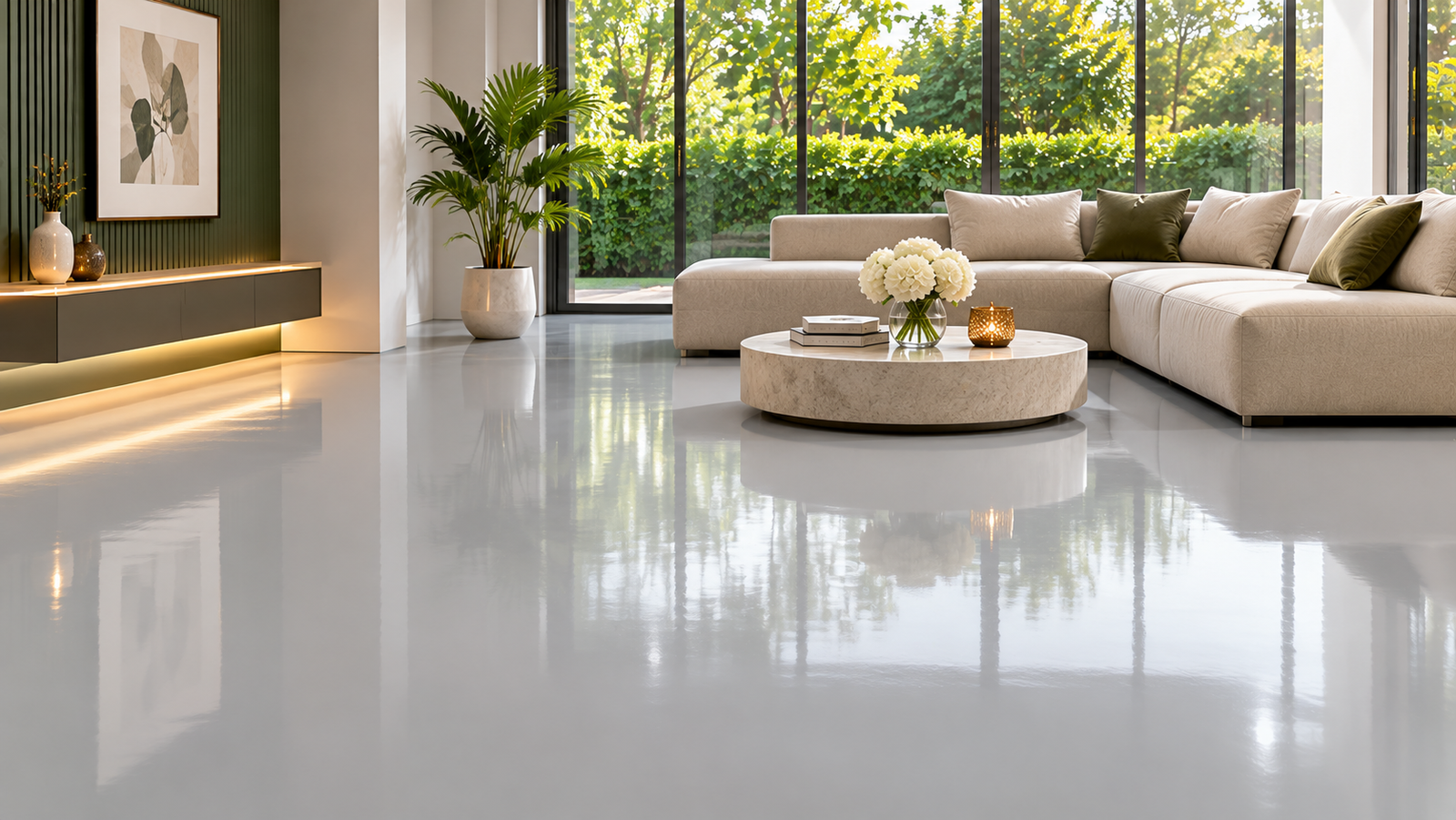
The simplest of all epoxy flooring designs is a single colour poured as self-leveling epoxy. Think of it as a calm, glossy sheet across the floor. It suits modern homes, apartments and clinics, and it makes a good canvas for furniture and art. Light greys and off-whites stay timeless, while deeper tones such as navy or forest green bring drama.
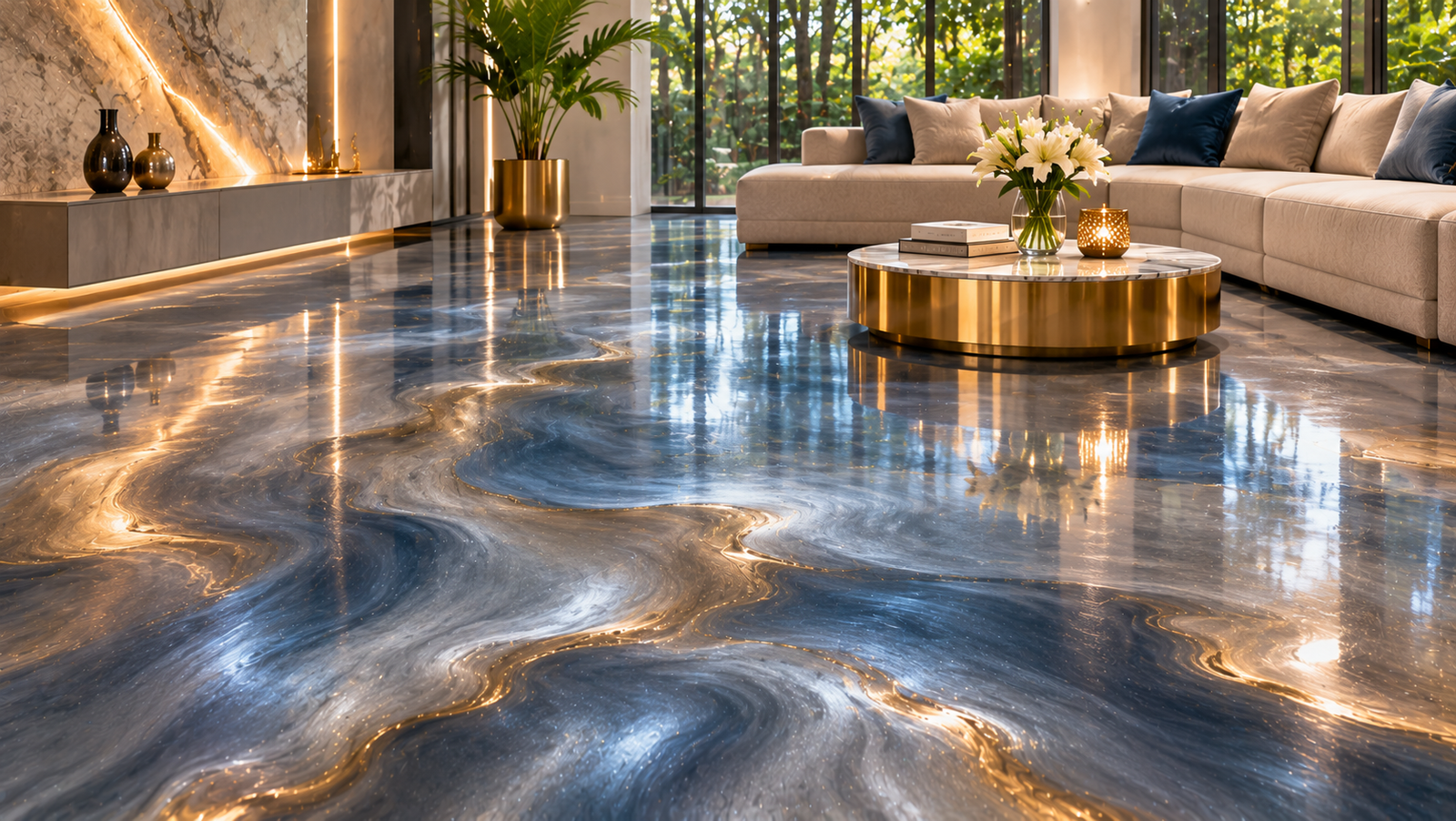
Metallic epoxy flooring mixes pearlescent pigments into the resin and moves them around while it is still wet, so every floor ends up as a one-off swirl. The effect resembles molten metal, smoke or a night sky, and it shifts as you walk past and the light changes. It works beautifully in living rooms, entryways and showrooms. Expect higher prices than solid colours, because it takes real skill to control the pattern.
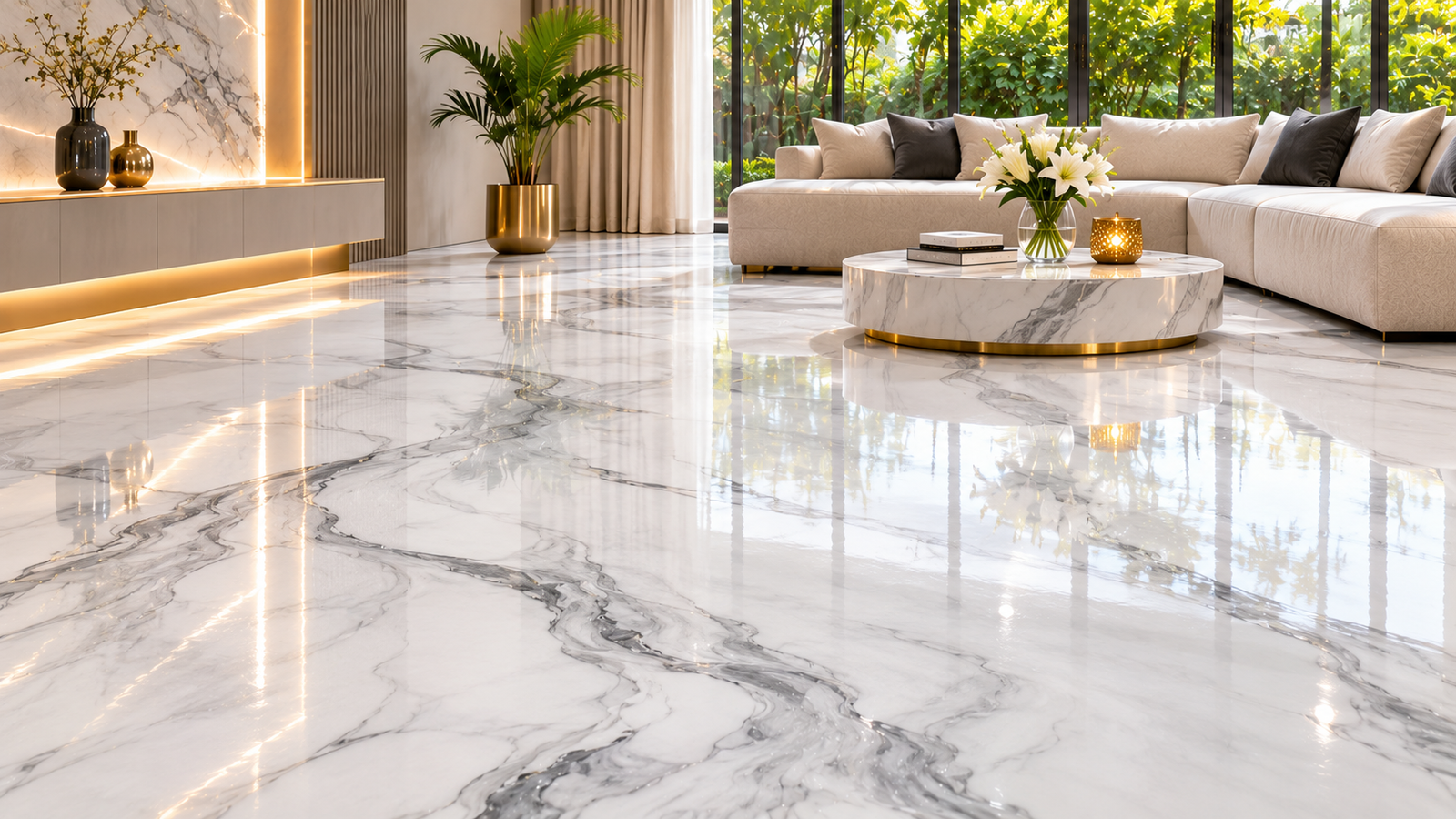
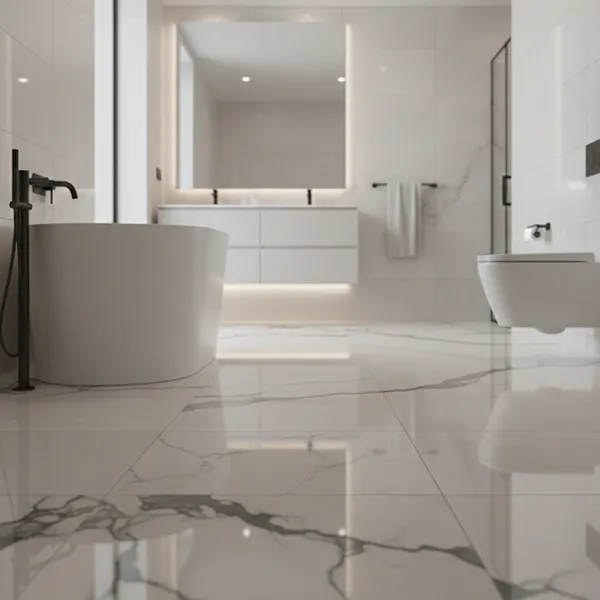
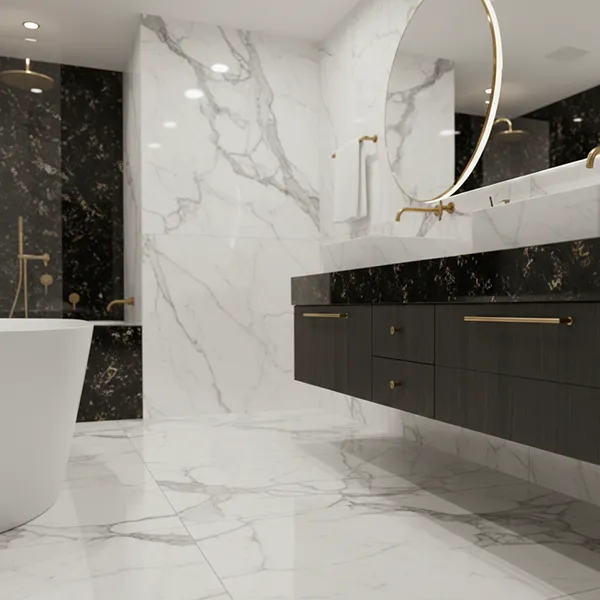
Marble epoxy flooring copies the veining of natural stone with a poured and swirled resin finish, without the seams or the polishing bills of real marble. White and grey marble looks suit luxury homes, hotels and boutiques. Because the floor is seamless, the pattern runs across the whole space instead of stopping at tile edges, which is hard to match with actual slabs. It is a clever option if you love the look of marble but not the upkeep.
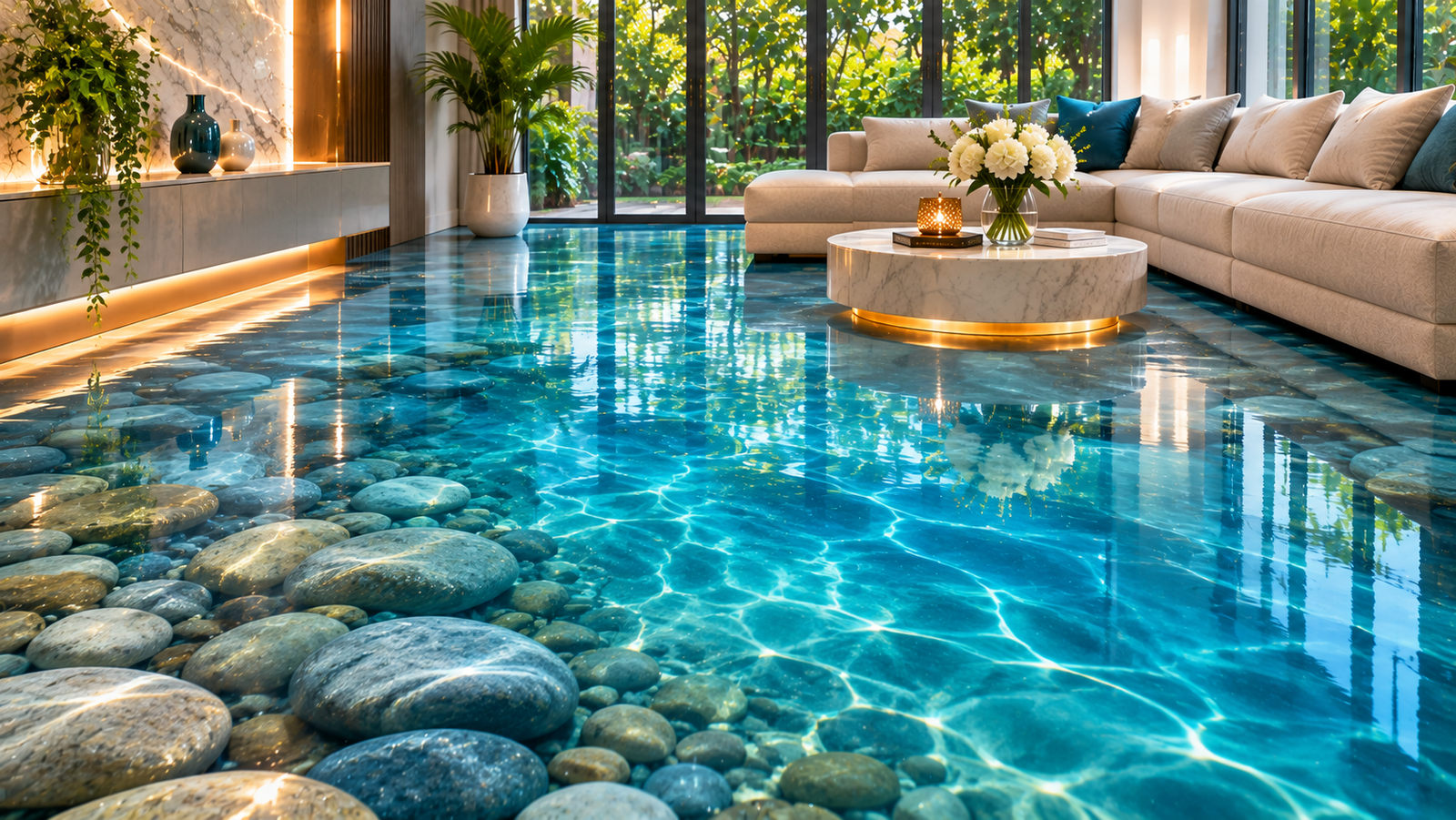
3D epoxy flooring places a printed image under a clear, deep epoxy layer, creating an illusion of depth, such as water, pebbles, a forest path or an abstract tunnel. It is playful and photographed constantly, so it can be a magnet in a showroom, café or children's play area. A good installer needs high-resolution artwork and a perfectly level base. Choose an image you will still enjoy in five years, because this is a statement you live with.
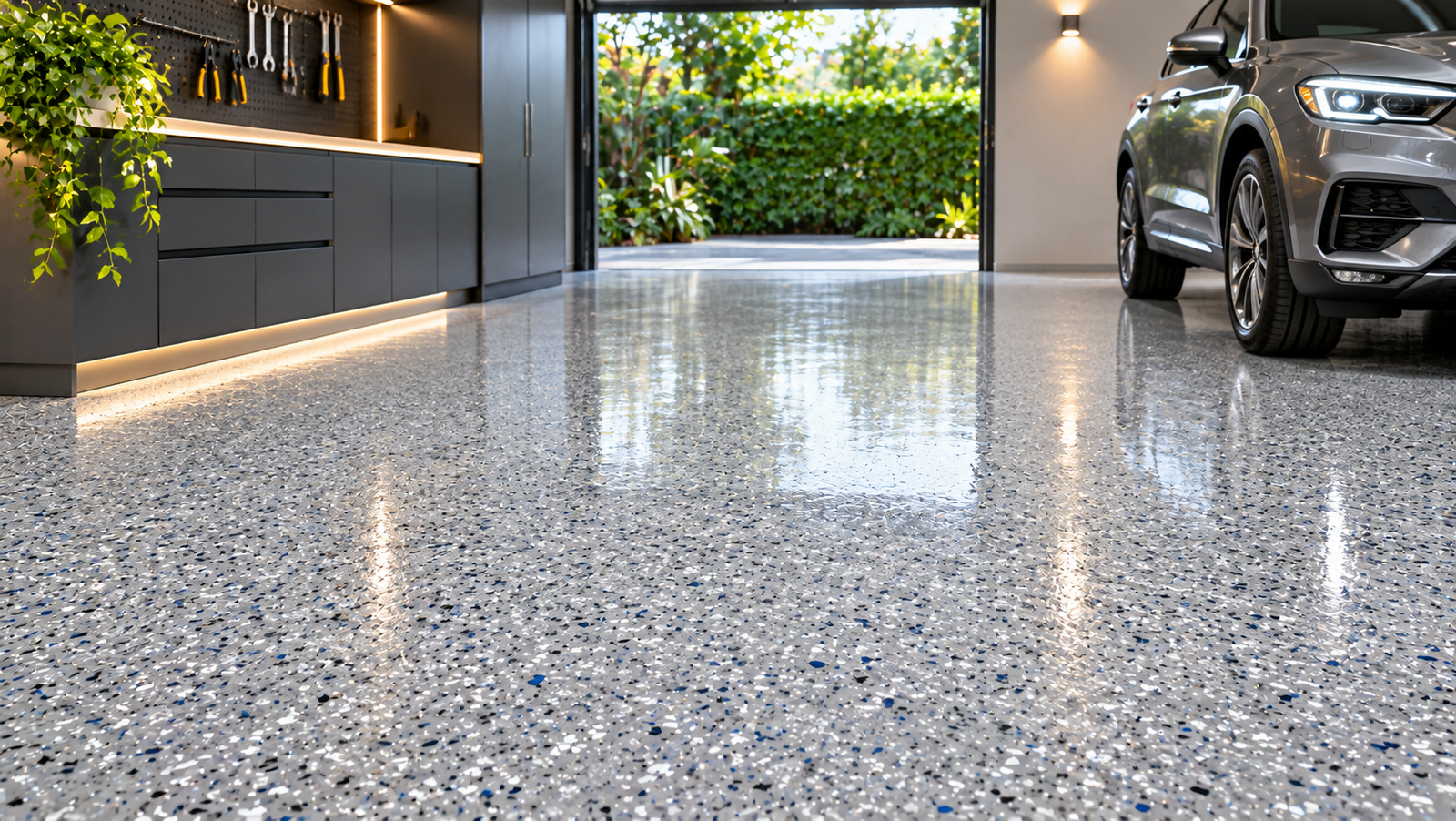
Flake epoxy scatters coloured vinyl chips into a base coat, then seals them in with a clear topcoat, giving a speckled, granite-like look. It is brilliant at hiding dust and small marks, and the texture adds a little grip. Garages, utility rooms, balconies and busy retail floors suit it well.
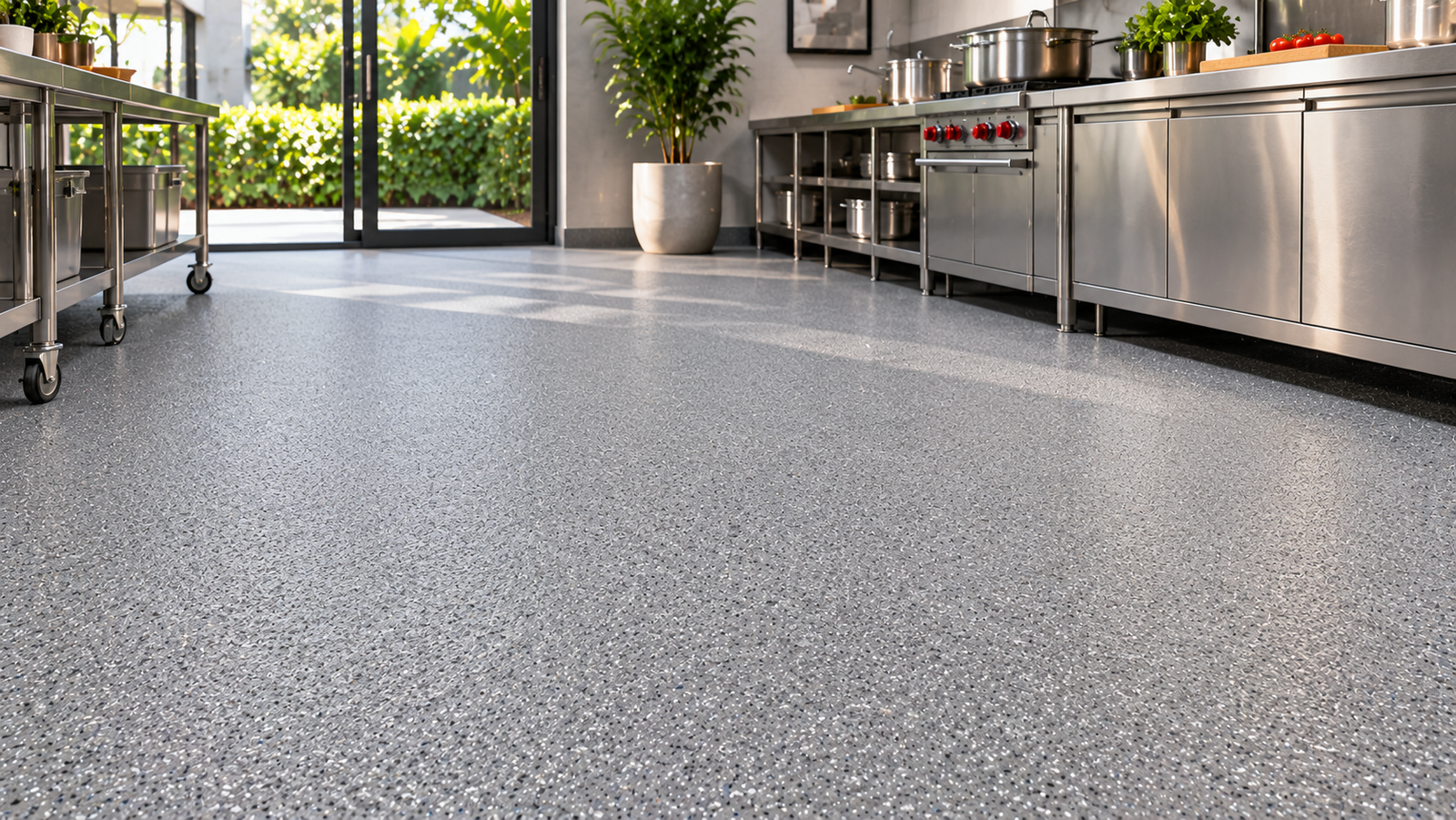
Quartz broadcast systems sprinkle coloured quartz sand into the wet resin, creating a textured, hard-wearing and slip-resistant surface. It trades some shine for safety. Use it in kitchens, entrances and workshops, where wet feet and spills are common.
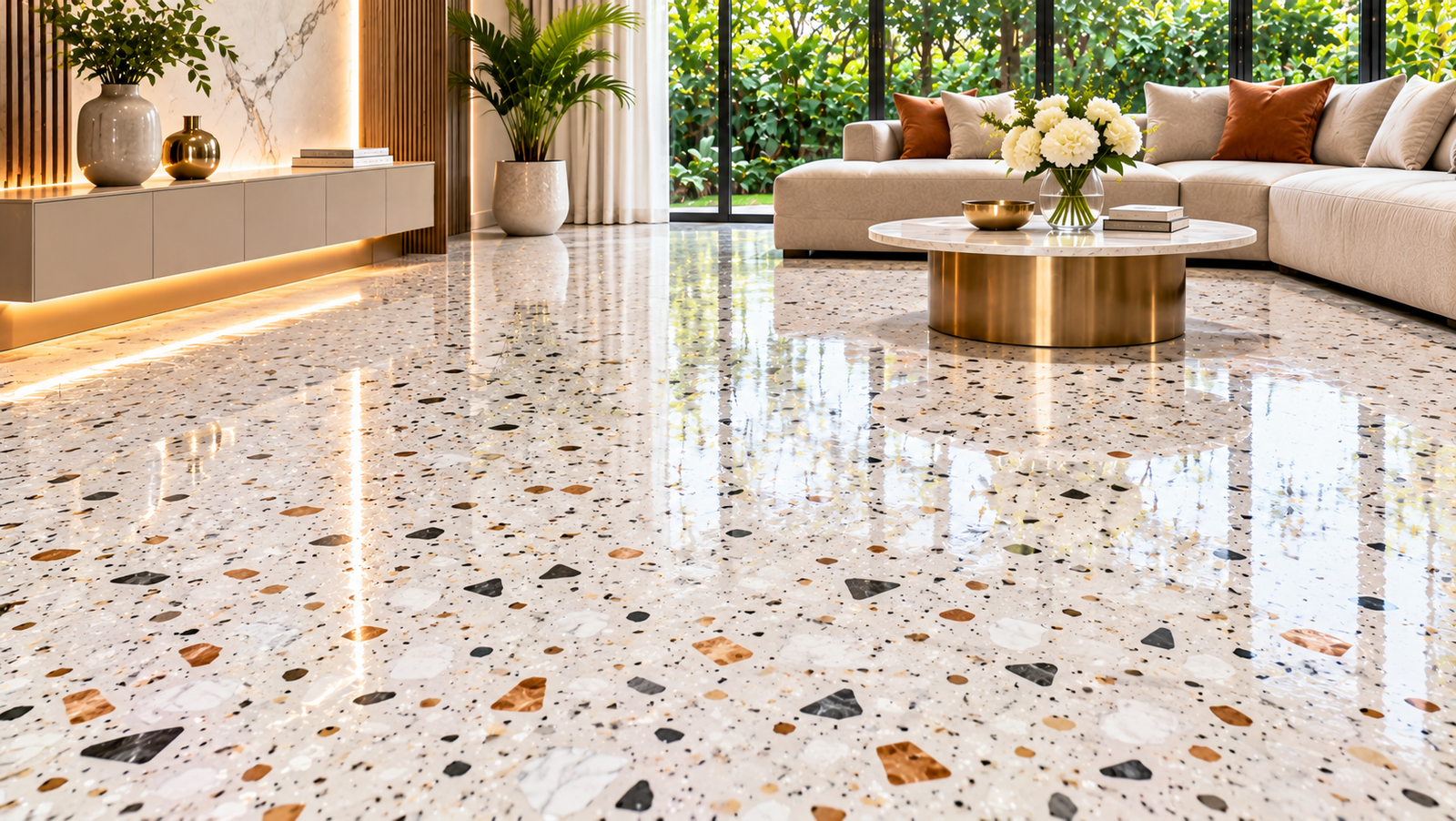
Terrazzo-style epoxy blends marble or glass chips into resin and polishes the surface, creating the classic confetti look of terrazzo with a lighter, quicker process. It suits stylish cafés, boutiques and open-plan homes. The pattern is lively, so keep walls and furniture quiet.
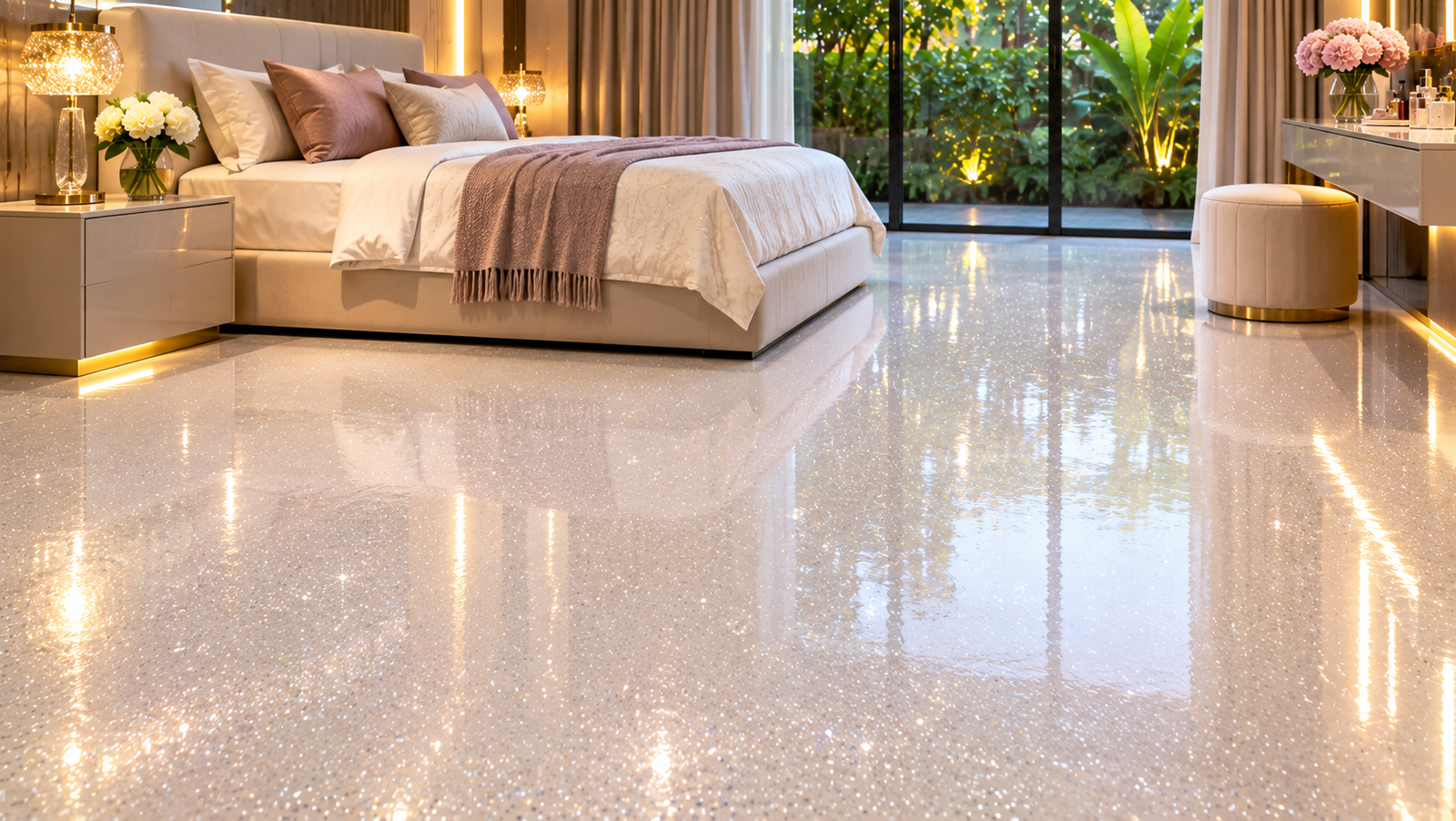
Mica and glitter pigments turn a plain floor into a subtle shimmer. Pearl whites and champagne tones look elegant in bedrooms and boutiques, while bolder glitter works in salons and kids' rooms. Go gently: a little sparkle looks luxe, and a lot looks like a disco floor from a past decade.
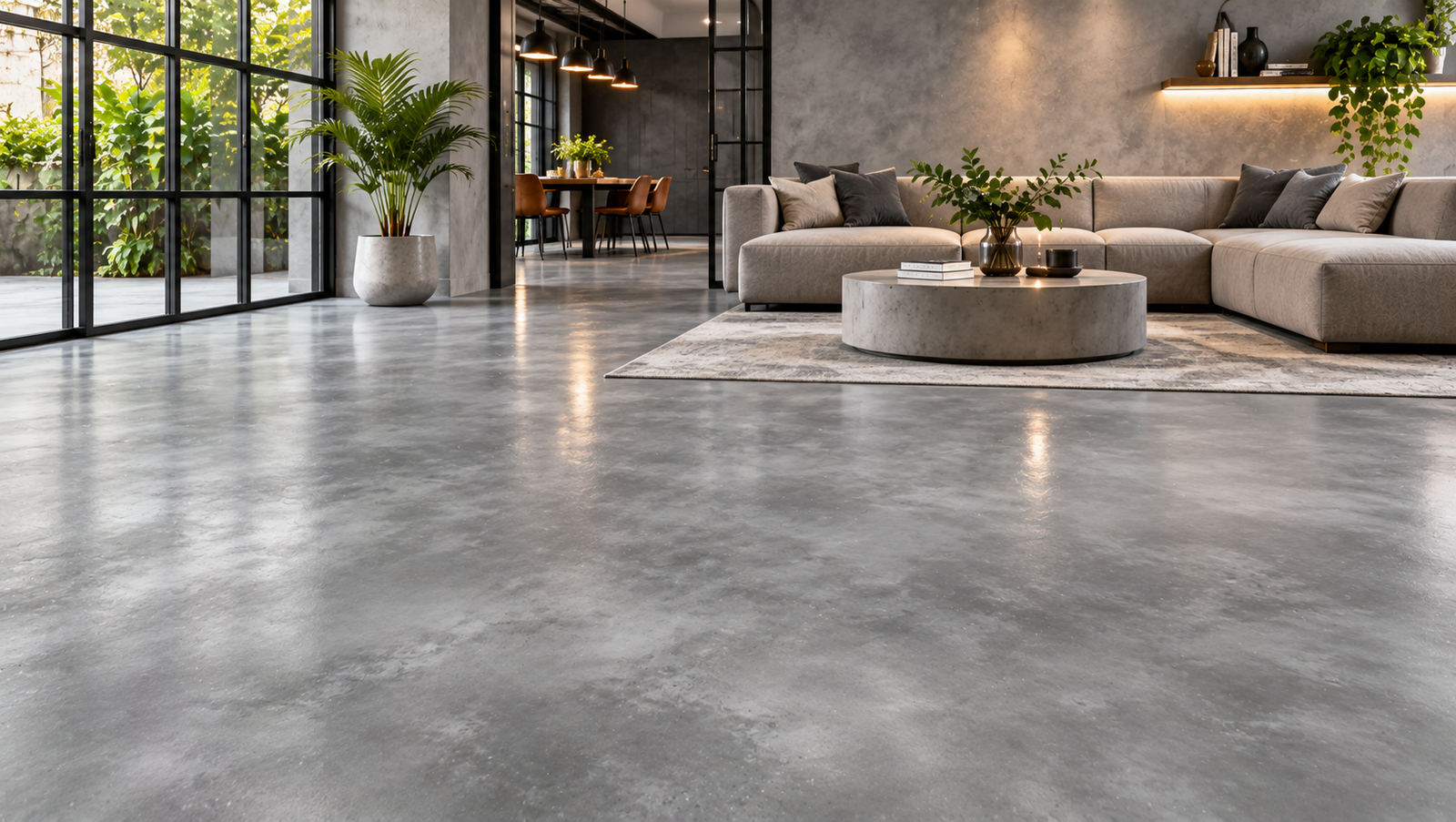
A mottled grey epoxy imitates polished concrete, with soft cloudy variation and a matte or satin finish. It is the go-to look for minimalist lofts, studios and creative offices. You get the industrial feel with fewer cracks and easier cleaning than bare concrete.
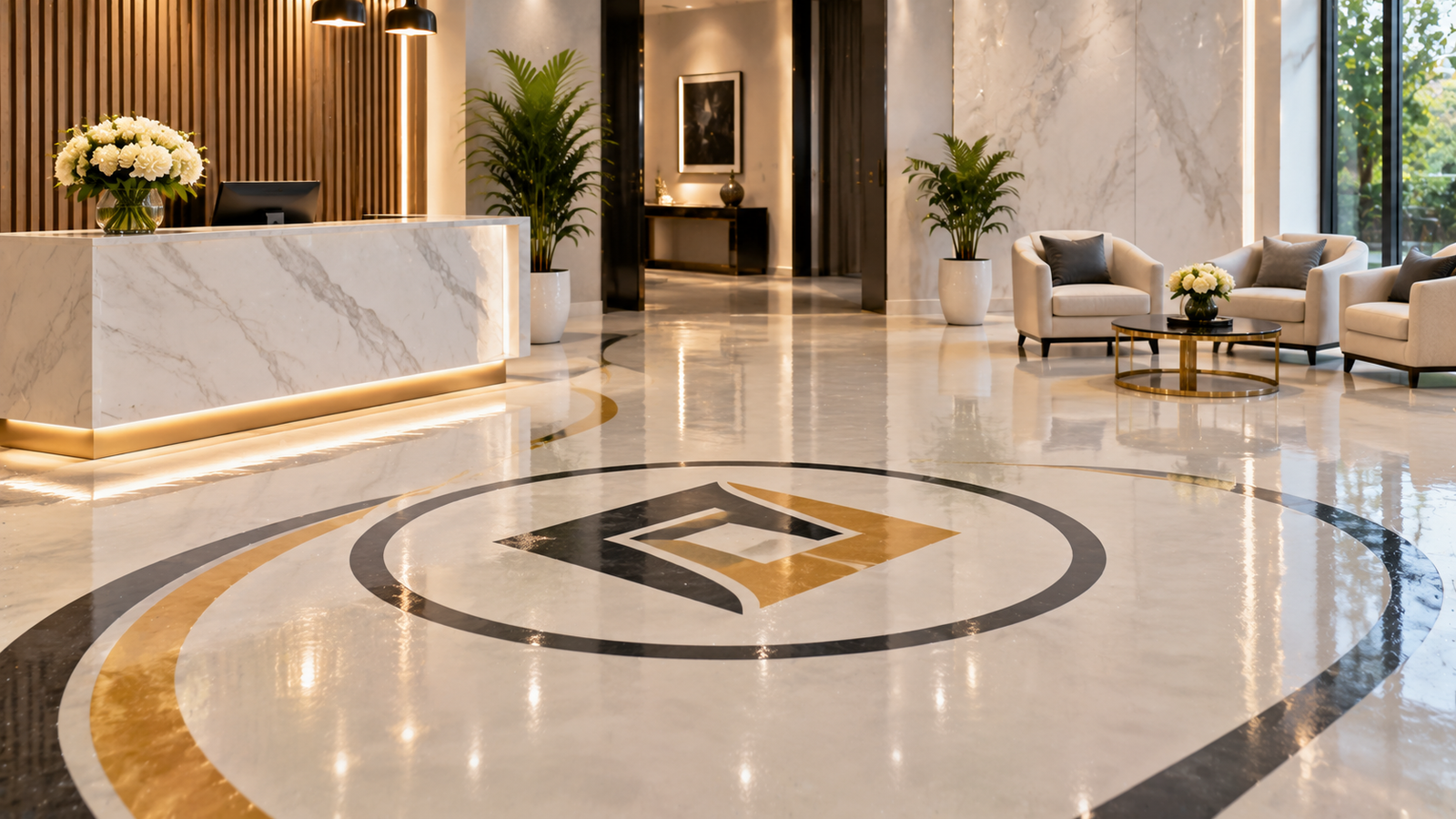
For showrooms, epoxy can carry your logo, brand colours or a bold graphic directly in the floor, where it cannot peel or scuff away like a sticker. Combine a clean base colour with a centred logo or border lines that guide customers through the space. It turns the floor into silent signage, which is why epoxy flooring for showroom projects so often carries a logo.
Epoxy floor colors range from neutral greys, whites and beiges to deep blues, greens and bold reds. Start with the room's light and use. Light shades bounce light and suit darker rooms, while dark glossy colours show footprints and scratches faster. For showrooms, choose a colour that makes your product the star: mid-grey makes bright products pop, while a plain white floor can make them look washed out. Always request a sample panel, because colour changes once the clear topcoat goes on.
Epoxy flooring for showroom use is popular for good reasons. It handles heavy foot traffic and trolley wheels, wipes clean in minutes and can match your brand colours. A glossy floor also reflects your lighting and displays, so the space looks bigger and brighter. The trade-off is that gloss can show scratches, so ask for a scratch-resistant topcoat and an anti-slip additive near entrances. For more retail ideas, browse the Tilesdisplay blog.
Epoxy flooring cost per sq ft depends on the system, thickness and the condition of your base. As a rough guide in India, a basic solid-colour coating often costs around ₹70 to ₹150 per sq ft, while metallic, marble and 3D designs can run from about ₹150 to ₹400 or more. These are ballpark figures, so ask for written quotes. A few factors move the price the most:
Base condition: cracks, damp patches and uneven slabs need repair before any coating.
System and thickness: a thicker self-leveling layer costs more than a thin coat.
Design complexity: metallic swirls and printed 3D artwork need skilled labour.
Area size: large areas usually cost less per sq ft than small rooms.
Material quality: branded, UV-stable resins cost more but resist yellowing.
Installation follows a pattern: grind and clean the concrete, repair cracks, apply primer, pour or roll the epoxy, add the design, then seal. Light foot traffic is usually possible after 24 to 72 hours, and full cure takes about a week, so plan your move-in or opening date around it. Test the slab for moisture first, because damp concrete causes bubbles and peeling.
Epoxy products release fumes while they cure. The U.S. Environmental Protection Agency explains how volatile organic compounds affect indoor air, so ventilate well and ask for low-VOC products, especially in homes with children, pets or older family members.
The epoxy vs tile decision comes down to the look you want and how you plan to maintain it. Epoxy gives you a seamless, customisable surface, while tile gives you a huge range of ready-made designs and easy spot repairs.
|
Factor |
Epoxy flooring |
Tile |
|
Surface |
Seamless, no grout lines |
Grout lines between tiles |
|
Design |
Custom colours, metallic, 3D |
Wide range of patterns and sizes |
|
Repairs |
Local re-coating, may show a patch |
Replace individual tiles |
|
Sun and heat |
Can yellow in strong sunlight |
Very stable |
|
Slip risk |
Slippery when wet unless textured |
Many slip-rated options |
I would choose epoxy for a modern, seamless space, such as a showroom or an open-plan living area, and tile for kitchens and bathrooms where repairs and grip matter most. If tile wins for your room, our guide to floor tile patterns will help you pick a layout.
A seamless floor is hard to imagine from a small sample, because colour, gloss and swirl all look different across a full room. Compare a glossy seamless look with tile or laminate using a floor visualizer, then ask your installer for a test panel in the final colour.
In homes, epoxy flooring commonly lasts 5 to 10 years or more with good preparation and care. In busy showrooms or workshops, the topcoat may need refreshing sooner. UV-stable resins and a clean, dry base help it last longer.
A smooth gloss finish can be slippery when wet. For kitchens, entrances and showroom doorways, ask for an anti-slip additive or a quartz broadcast finish, which add texture without spoiling the look.
Metallic epoxy flooring uses pearlescent pigments to create random swirls, so no two floors match. 3D epoxy flooring uses a printed image under clear resin to create a specific picture with depth. Metallic is more abstract and natural, while 3D is more graphic and bold.
It is possible, but it needs thorough preparation. The tiles must be firmly bonded, clean and sanded, and the grout lines must be filled, or they may show through the finish. Many installers prefer to remove loose or uneven tiles first.
Yes, if you want a seamless, easy-to-clean floor and your base is dry and sound. Epoxy flooring designs for home use work well in living rooms, garages, kitchens and balconies. It may feel hard and cool underfoot, so rugs help in bedrooms and lounges.
Epoxy flooring gives you a seamless, glossy and highly customisable floor, from solid colours and metallic swirls to marble looks and 3D art. Choose the design that suits the room, pick epoxy floor colors that flatter your light, and check the base, the epoxy flooring cost per sq ft and the slip rating before you commit.
If you want help planning a floor you will love, we would be glad to hear from you. Contact the Tilesdisplay team and let us help you see your space before you spend.